
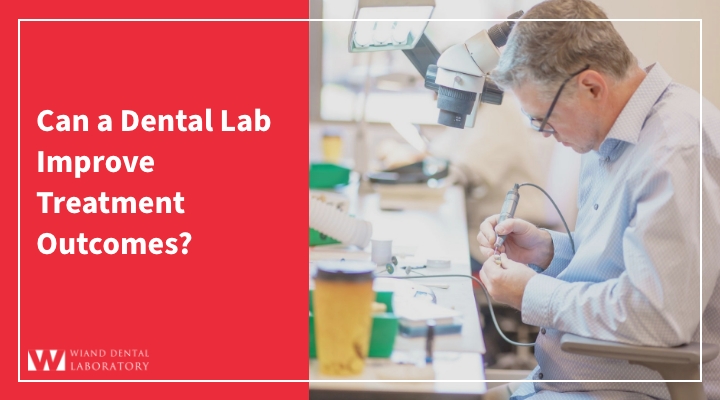
Can a Dental Lab Improve Treatment Outcomes?
Yes. A dental lab can significantly improve treatment outcomes by producing precise restorations, collaborating during treatment planning, supporting digital workflows, recommending appropriate restorative materials, and helping reduce remakes and chairside adjustments. When a dental laboratory functions as an extension of the clinical team, dentists can deliver more predictable, efficient, and long-lasting results for their patients.
While the clinician’s skill is essential, the quality of the laboratory partnership plays a major role in the success of every restoration. From single-unit crowns to complex full arch implant rehabilitations, the right laboratory contributes to restorations that fit accurately, function properly, and provide excellent esthetic results.
Why the Dental Laboratory Matters
Every restoration is a collaboration between the clinician and the dental laboratory. Accurate impressions or digital scans, thoughtful treatment planning, quality materials, and skilled craftsmanship all work together to create restorations that meet the patient’s functional and esthetic needs.
When communication is strong and workflows are efficient, the result is a smoother experience for the dentist, the laboratory, and the patient.
How Does a Dental Lab Improve Treatment Outcomes?
1. More Accurate Restorations
A well-made restoration should seat properly, require minimal adjustments, and provide excellent function and esthetics. Accurate margins, proper contacts, and balanced occlusion contribute to restorations that are comfortable for patients and designed for long-term success.
Laboratories that prioritize quality control and precision help reduce chairside modifications while improving confidence during delivery appointments.
2. Better Treatment Planning
Successful restorative dentistry begins before fabrication ever starts. Experienced dental laboratories collaborate with clinicians to discuss material selection, implant positioning, restorative design, occlusion, and esthetic goals before production begins.
This collaboration often helps identify potential challenges early, reducing complications later in treatment.
3. Digital Workflows Improve Predictability
Digital dentistry has transformed communication between practices and laboratories. Intraoral scans, CBCT imaging, facial photographs, CAD/CAM technology, and digital treatment planning provide highly accurate information that allows restorations to be designed with greater precision.
Digital workflows also reduce many of the variables associated with traditional impressions, leading to more consistent restorative outcomes.
4. Fewer Remakes and Adjustments
Every remake represents additional chair time, increased costs, scheduling disruptions, and unnecessary inconvenience for patients.
A laboratory committed to consistent quality helps minimize remakes by producing restorations that fit accurately and meet clinical expectations the first time. This allows dentists to spend more time providing care and less time correcting avoidable restorative issues.
5. Material Selection Matters
Not every restorative material is appropriate for every case. Factors such as implant location, occlusal forces, esthetic demands, and patient expectations all influence material selection.
An experienced dental laboratory can recommend appropriate restorative materials—including zirconia, layered ceramics, lithium disilicate, PMMA, and implant-supported options—to help maximize durability, function, and esthetics.
6. Experience Improves Complex Cases
Complex restorative procedures require more than technical skill—they require collaboration.
Whether restoring a full arch implant case, completing a digital conversion, or designing an esthetic smile rehabilitation, experienced technicians help clinicians navigate challenging cases while providing valuable insight throughout treatment planning and fabrication.
7. Consistency Creates Better Clinical Outcomes
One of the greatest advantages of working with a trusted dental laboratory is consistency. Reliable quality, dependable turnaround times, responsive communication, and repeatable restorative accuracy allow clinicians to schedule confidently and provide a better overall patient experience.
Consistency builds trust between the practice and the laboratory while contributing to more predictable clinical outcomes.
8. A True Laboratory Partnership Benefits Every Patient
The best dental laboratories do more than fabricate restorations—they become an extension of the clinical team.
By collaborating with dentists throughout treatment planning, supporting digital workflows, solving restorative challenges, and maintaining open communication, they help improve efficiency, reduce stress, and deliver restorations that patients can depend on for years to come.
Better Outcomes Start with Better Partnerships
Technology and materials continue to advance, but successful restorative dentistry still depends on collaboration. Choosing a dental laboratory that prioritizes communication, precision, consistency, and innovation can improve nearly every aspect of treatment—from planning and fabrication to delivery and long-term patient satisfaction.
Whether you’re restoring a single implant crown or completing a full arch rehabilitation, the right laboratory partnership helps create restorations that look better, fit better, and perform better.
Partner with Wiand Dental Laboratory
For more than 30 years, Wiand Dental Laboratory has partnered with dentists, oral surgeons, prosthodontists, and restorative specialists to provide high-quality restorations backed by advanced digital workflows, personalized service, and technical expertise.
From implant crowns and crown & bridge restorations to removable prosthetics, digital dentures, same-day design, and full arch implant rehabilitation, our experienced technicians work alongside your clinical team to help improve communication, streamline workflows, and deliver predictable treatment outcomes.
If you’re looking for a dental laboratory that functions as a true extension of your practice, contact Wiand Dental Laboratory. We’d love to show you how our experience, technology, and commitment to quality can help you achieve exceptional results for every patient.
Frequently Asked Questions
Can a dental lab improve treatment outcomes?
Yes. A skilled dental laboratory helps improve treatment outcomes by producing accurate restorations, collaborating during treatment planning, supporting digital workflows, and helping reduce remakes and chairside adjustments. Strong communication between the dentist and laboratory leads to more predictable clinical results.
How does a dental laboratory help dentists provide better patient care?
A quality dental laboratory provides restorations that fit accurately, function properly, and meet esthetic expectations. Consistent quality, technical expertise, and reliable communication help dentists deliver more efficient treatment while improving the patient experience.
Why is communication between the dentist and dental lab important?
Communication allows clinicians and technicians to discuss materials, restorative design, implant positioning, and esthetic goals before fabrication begins. Identifying potential challenges early helps reduce remakes, avoid delays, and improve treatment outcomes.
Do digital dental workflows improve restorative outcomes?
Yes. Digital workflows use intraoral scans, CBCT imaging, CAD/CAM technology, and digital treatment planning to improve communication and restorative accuracy. These technologies help create more predictable restorations with fewer adjustments and greater long-term success.
What should dentists look for in a dental laboratory?
Dentists should look for a laboratory with experience in the procedures they perform, advanced digital capabilities, consistent quality control, reliable turnaround times, responsive communication, and a collaborative approach to treatment planning. A strong laboratory partnership contributes to better efficiency, improved patient satisfaction, and more predictable restorative outcomes.