
Custom Nightguards at a Glance
Wiand offers two levels of occlusal refinement and four clinical options. Choosing the right nightguard starts with the patient, not simply the manufacturing method.
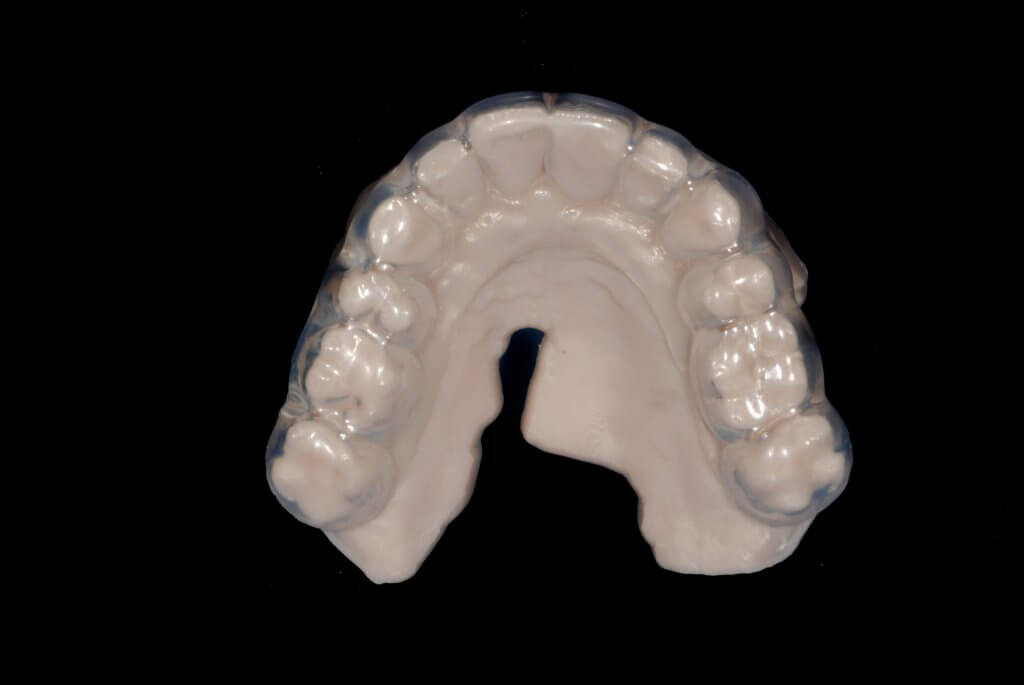
Essential Series™
Essential Comfort™
Routine protection
Fabrication
Comfort H/S
Best for
Mild to moderate bruxism and straightforward cases
Refinement
Final occlusal refinement completed chairside
RECOMMENDED
Precision Series™
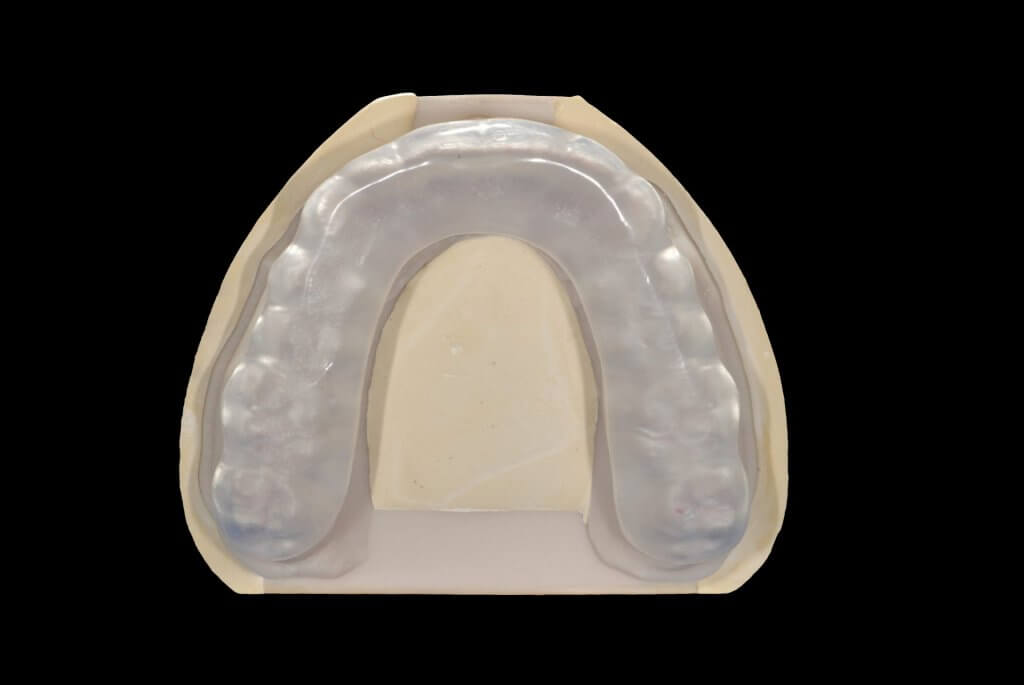
Precision Digital™
Most versatile premium option
Fabrication
Thermoplastic
Best for
Digital workflows, undercuts, easier insertion, and restorative protection
Refinement
Fully equilibrated in the laboratory
Precision Series™
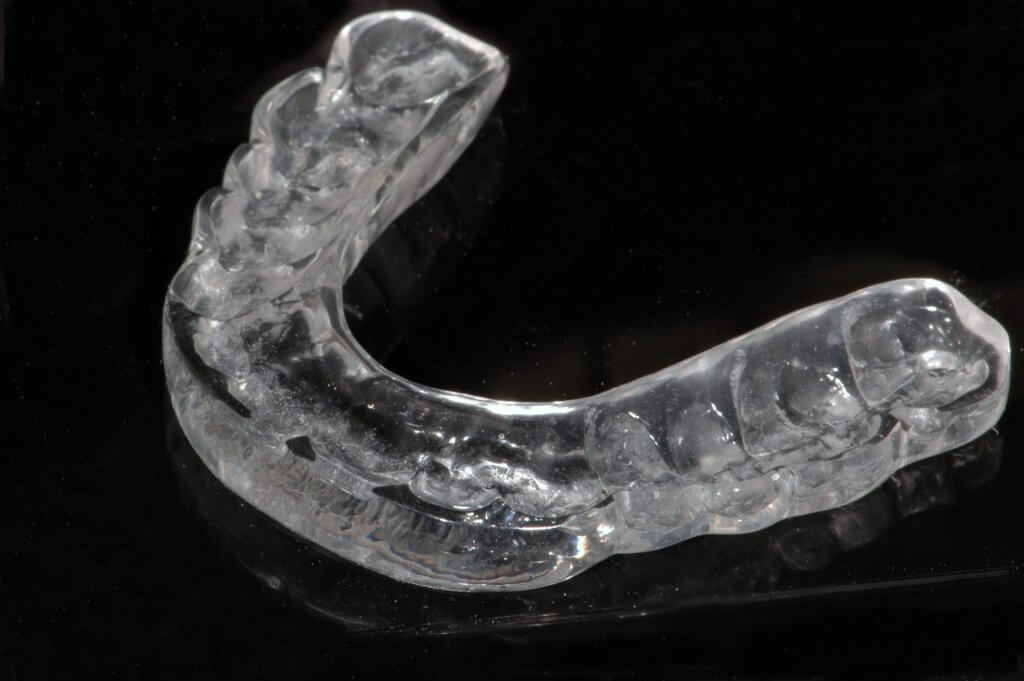
Precision Strength™
Strength + control
Fabrication
Hard Milled
Best for
Heavy bruxism, clenching, implants, and extensive restorative treatment
Refinement
Fully equilibrated in the laboratory
Precision Series™
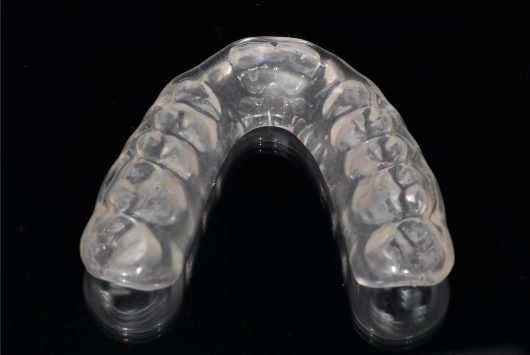
Precision Comfort™
Comfort + precision
Fabrication
Dual-Laminate
Best for
Mild to moderate bruxism, veneers, cosmetic restorations, and comfort-focused patients
Refinement
Fully equilibrated in the laboratory
The Complete Guide to Custom Nightguards & Occlusal Splints
The Clinical Resource for Choosing the Right Custom Nightguard
A custom nightguard should do more than cover the teeth. The right occlusal appliance should protect natural teeth and restorations while supporting comfort, stability, and a clinically appropriate occlusal relationship.
Every patient presents a different combination of parafunctional habits, restorative needs, anatomy, and treatment goals. Wiand helps dentists match the nightguard fabrication and occlusal design to the patient.
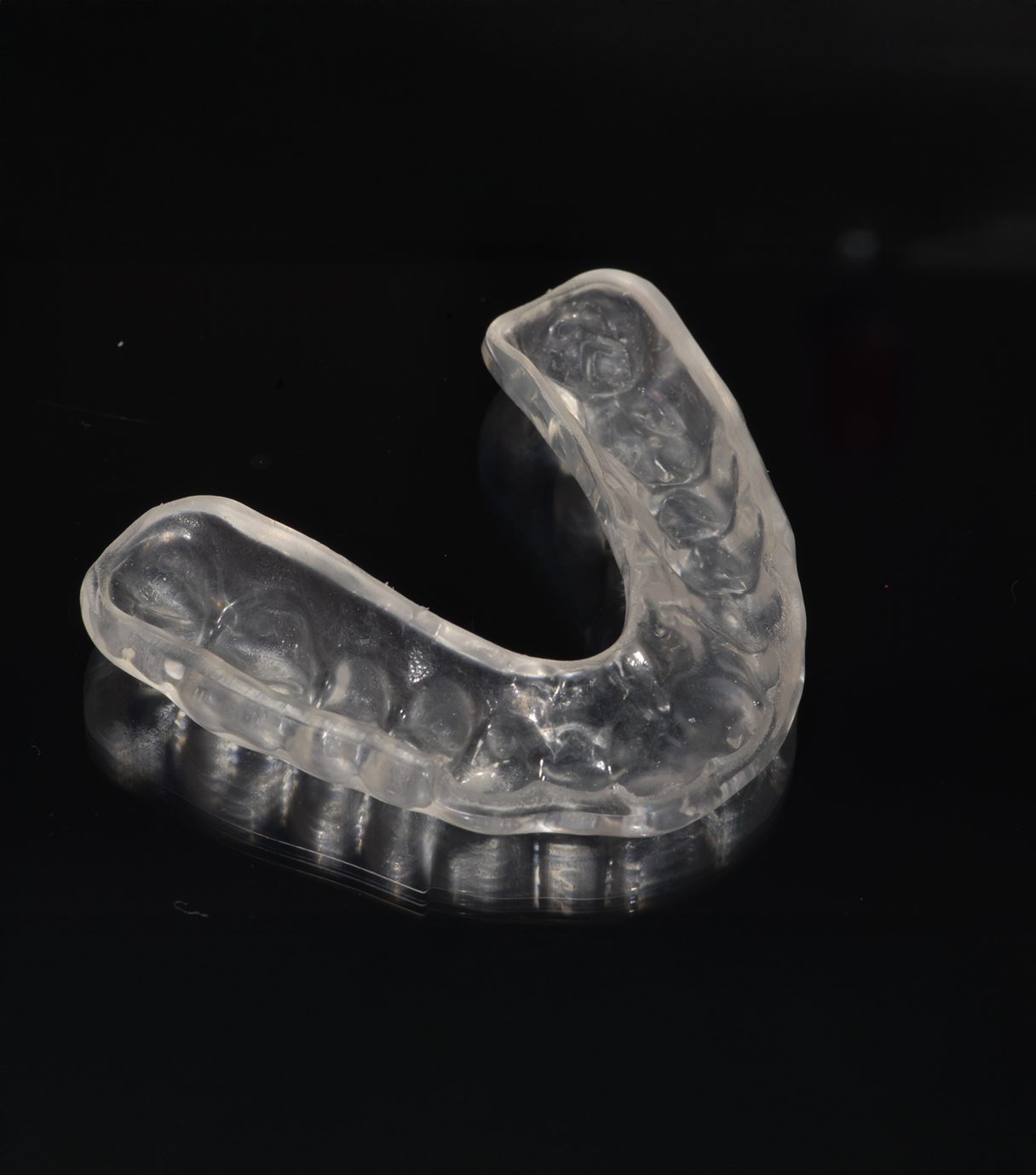
What Is a Custom Nightguard?
A custom nightguard is a removable dental appliance fabricated from a patient-specific digital scan or impression. It is commonly prescribed to protect natural teeth and restorations from the forces associated with bruxism, clenching, and other parafunctional activity.
The terms custom nightguard, occlusal splint, bite splint, occlusal guard, bite guard, and stabilization splint are sometimes used interchangeably. The appropriate terminology and design depend on the clinical purpose of the appliance.
A custom appliance differs from an over-the-counter guard because it can be designed around the patient’s anatomy, restorative condition, occlusion, and treatment objectives.
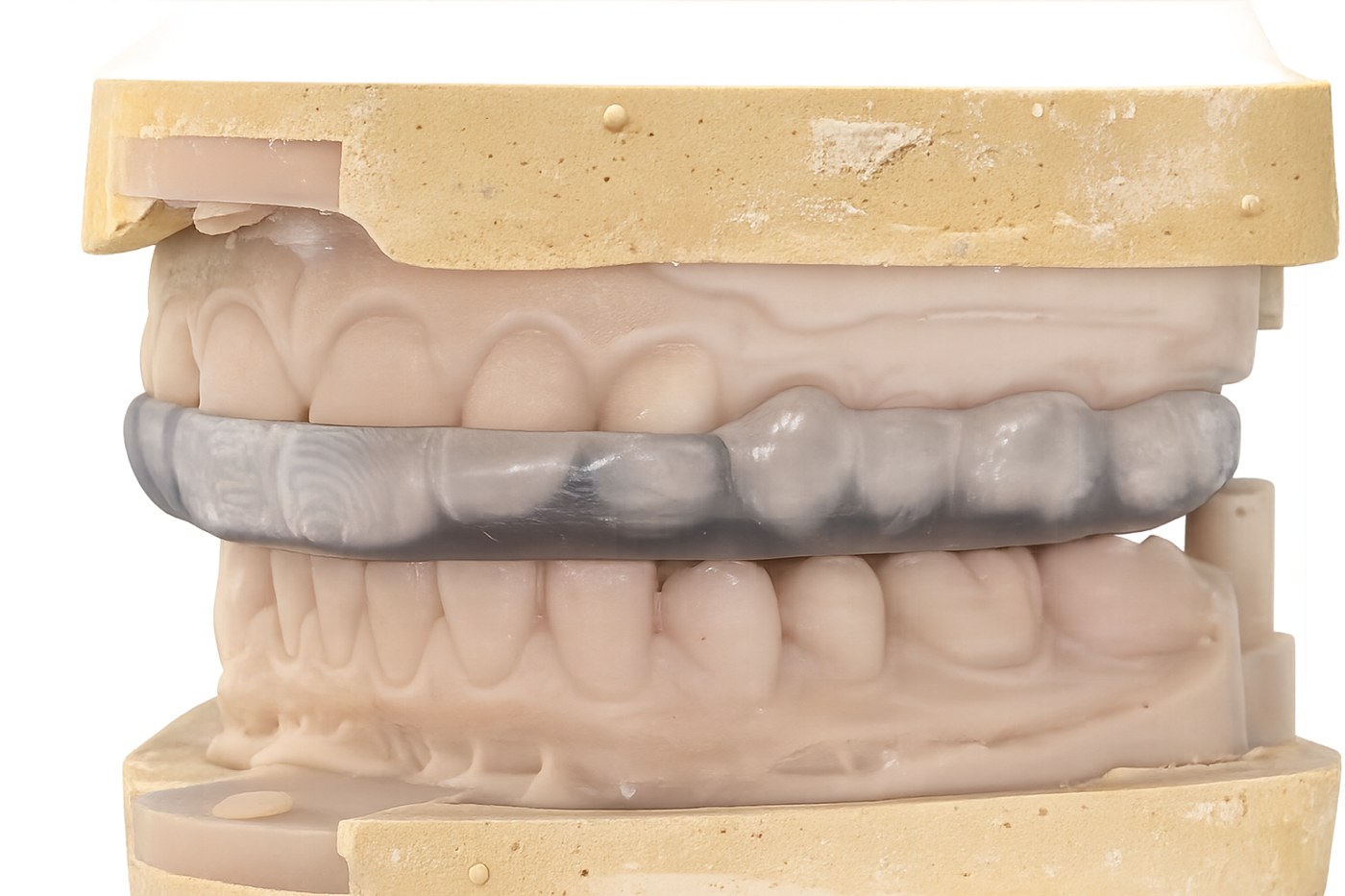
Why Are Custom Nightguards Prescribed?
- Protect natural teeth from excessive wear and fracture
- Protect a completed full-mouth rehabilitation
- Support a prescribed occlusal design or guidance pattern
- Protect crowns, bridges, veneers, and implant restorations
- Manage the effects of bruxism and clenching
- Distribute functional forces across the appliance
Which Custom Nightguard Should I Choose?
Choosing the right nightguard starts with the patient, not the manufacturing method.
1. How severe is the parafunction?
Mild → Moderate → Severe
2. What are you protecting?
Natural teeth
Veneers
Crowns and bridges
Implants
Full-mouth rehabilitation
3. Are insertion or undercuts a concern?
Standard path of insertion
Undercuts
Challenging insertion/removal
4. Where should final occlusal refinement occur?
Chairside
Laboratory
Recommendations
Versatile premium protection, digital workflows, undercuts, or easier insertion
Heavy bruxism, heavy clenching, implants, or extensive restorative dentistry
Mild to moderate bruxism with a strong emphasis on comfort
Routine protection when the doctor prefers final adjustment chairside
Understanding Nightguard Fabrication
Doctors often begin by asking which material is best. A more useful question is: which fabrication provides the right balance of comfort, durability, insertion, and occlusal control for this patient?
Hard/Soft Pressure-Formed Nightguards
A hard/soft pressure-formed nightguard combines a firm protective exterior with a softer tooth-contacting surface. This fabrication is often selected for routine protection and patients who prioritize comfort. The final contacts and guidance can be developed by the doctor at delivery.
Dual-Laminate Nightguards
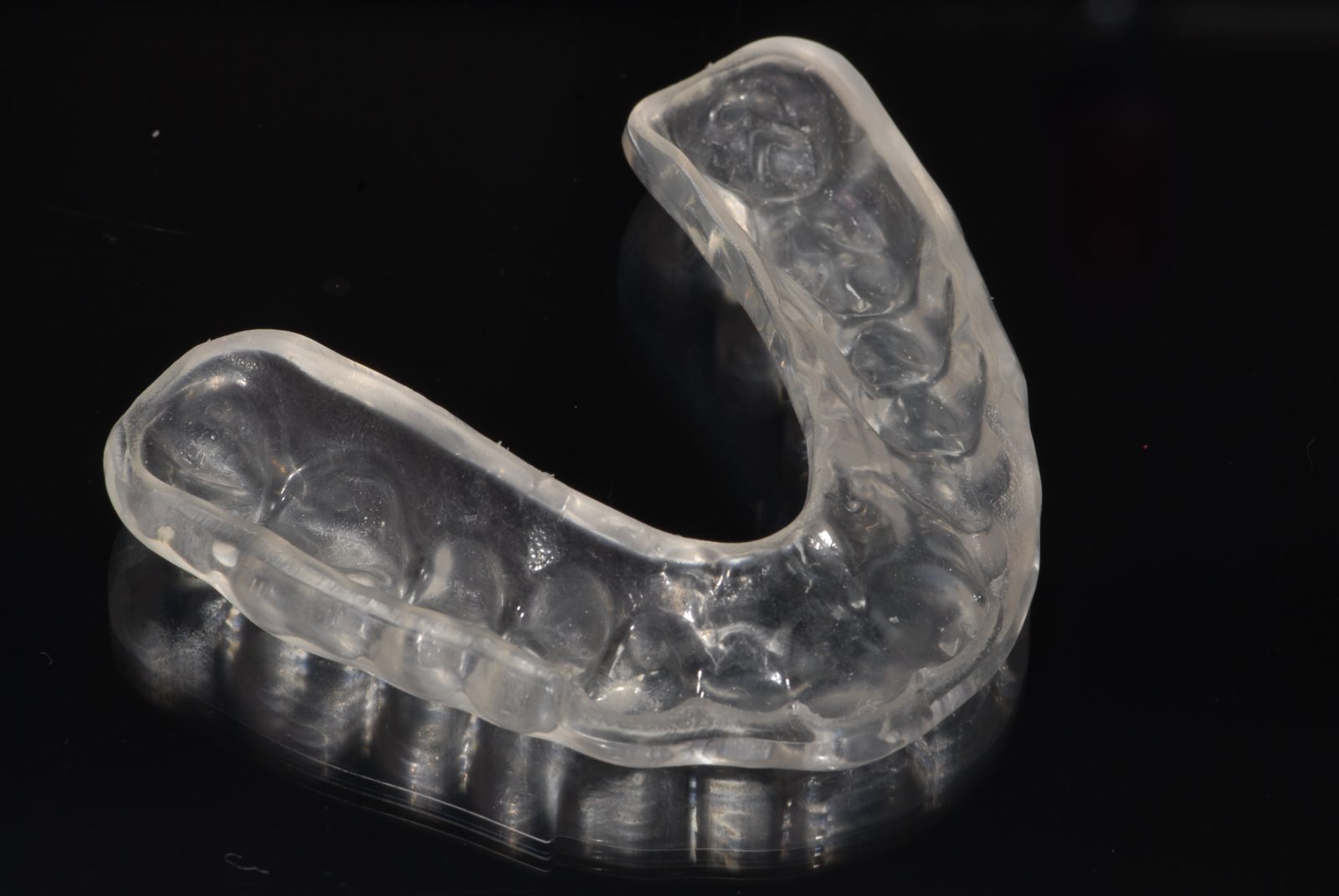
A dual-laminate nightguard combines a firm outer layer with a more resilient internal layer. Within the Wiand Precision Series™, the appliance is mounted and fully equilibrated in the laboratory.
Hard Milled Nightguards
A hard milled nightguard is digitally designed and milled from a rigid material. It provides dimensional stability, a smooth surface, and strong resistance to wear.
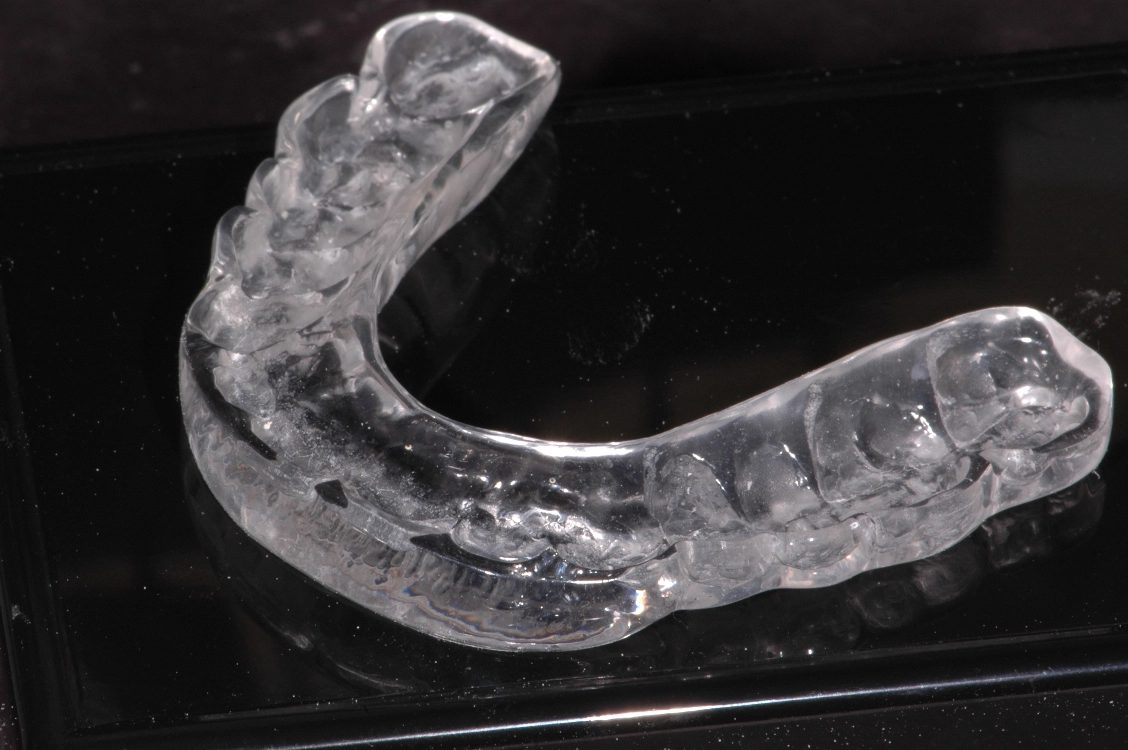
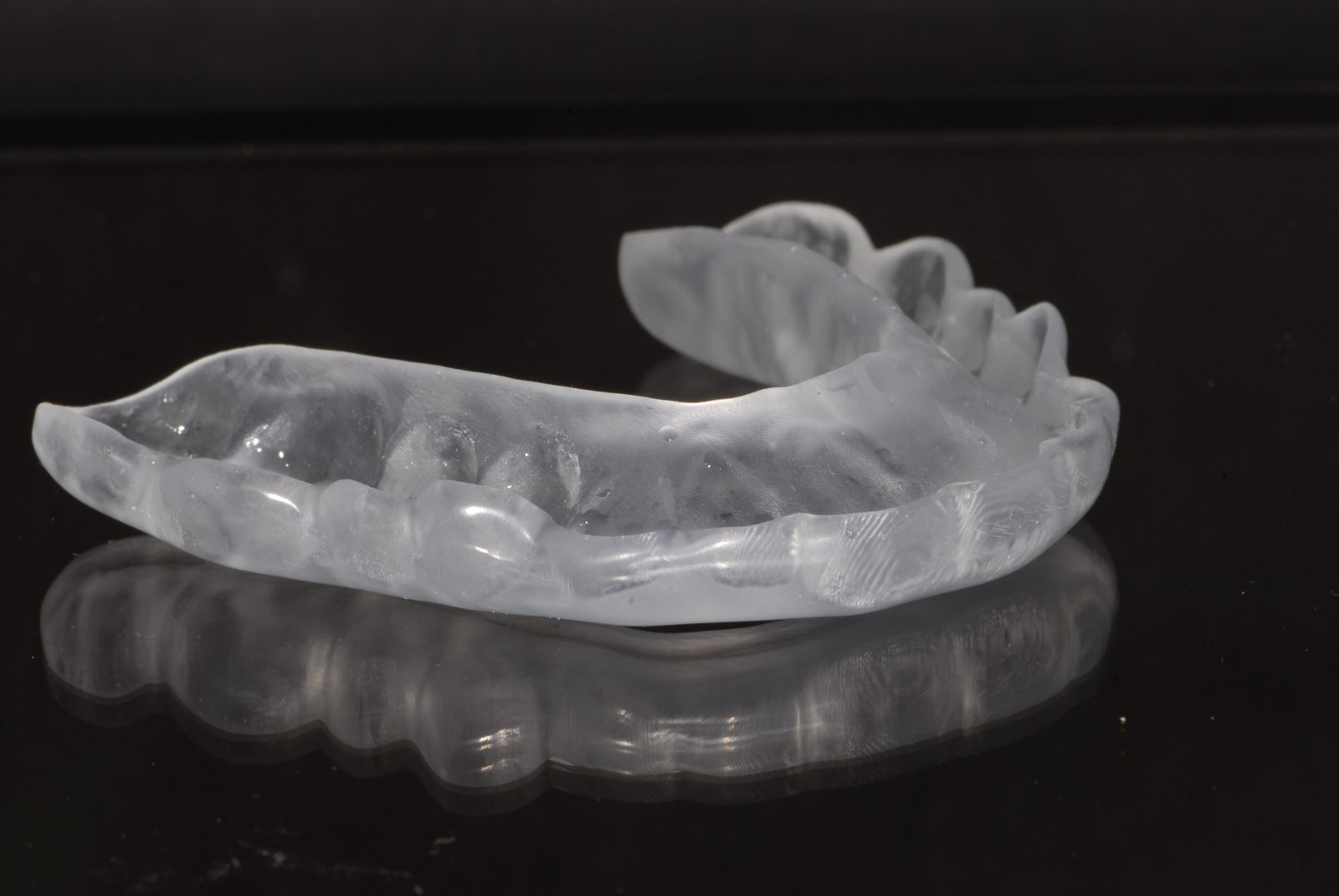
Thermoplastic 3D-Printed Nightguards
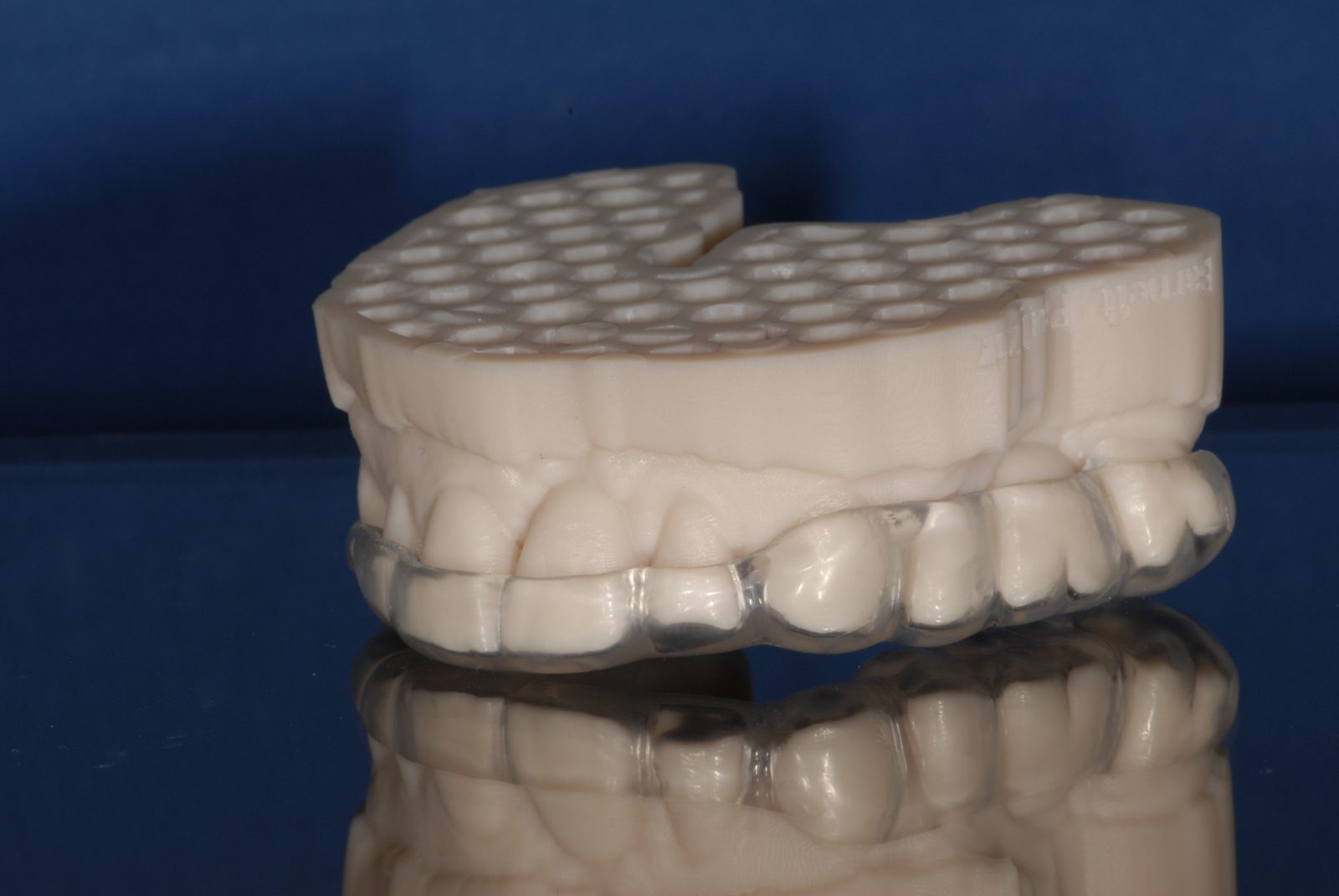
A thermoplastic 3D-printed nightguard is digitally designed and printed from a durable material that becomes slightly more flexible when warmed. This may help with insertion and removal for patients with undercuts or challenging paths of insertion.
Wiand Essential Series™
Routine custom protection
Essential Comfort™
Hard/Soft Pressure-Formed Nightguard
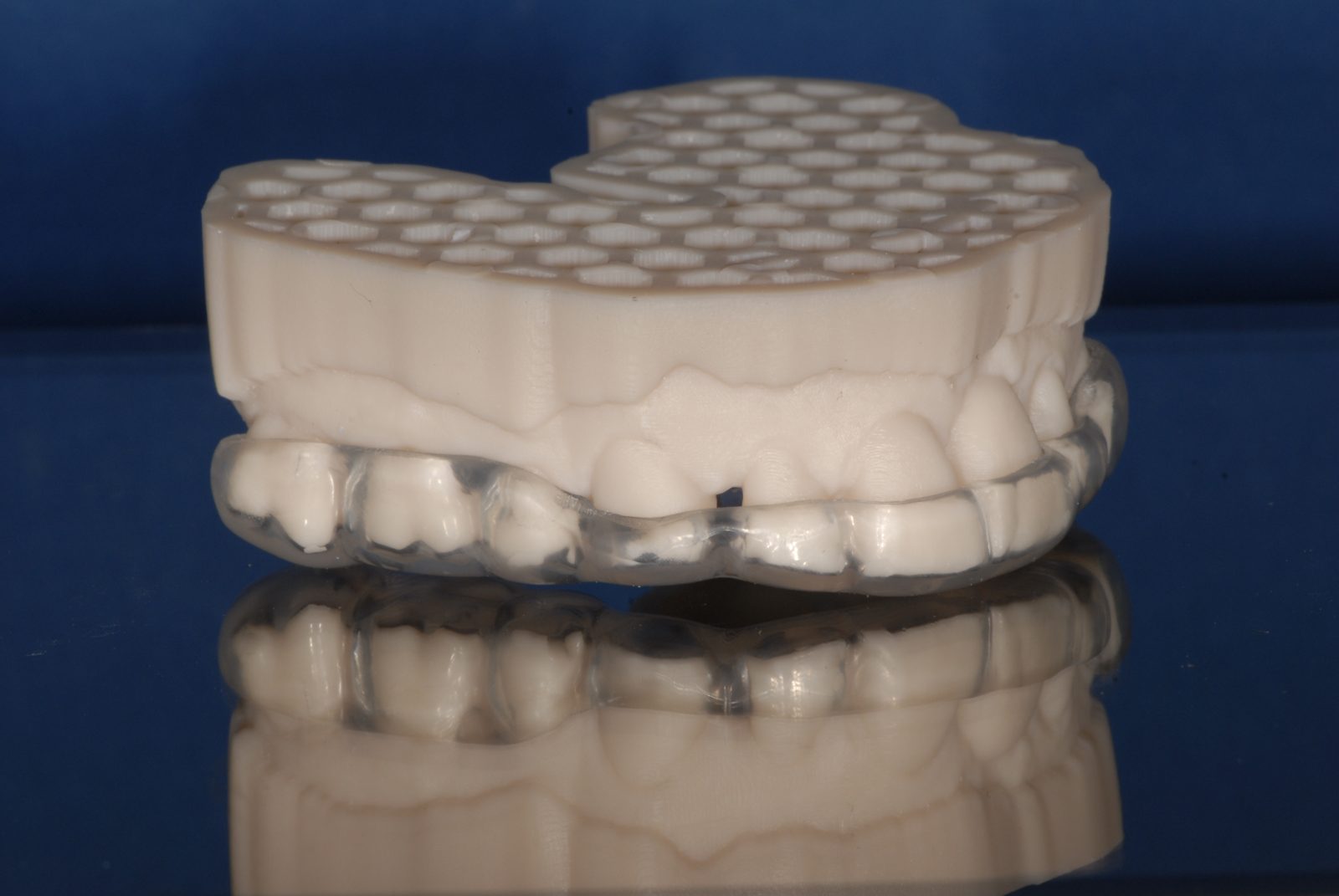
Essential Comfort™ is a custom hard/soft pressure-formed nightguard designed for routine protection and straightforward cases. It combines a firm outer surface with a softer internal surface for comfort and retention.
This appliance is not mounted and fully equilibrated on a semi-adjustable articulator. The prescribing doctor evaluates the appliance intraorally and completes the final occlusal refinement at delivery.
Consider Essential Comfort™ when:
- The patient has mild to moderate bruxism or clenching
- Routine protection is the primary objective
- A comfortable hard/soft appliance is preferred
- The case does not require a customized laboratory-developed occlusal scheme
- The doctor prefers to complete final contacts and guidance chairside
- A more economical custom appliance is appropriate
Key benefits
- Comfortable hard/soft fabrication
- Custom fit from digital scans or impressions
- Firm protective exterior
- Softer internal surface
- Good retention and patient acceptance
- Final occlusion can be refined directly in the mouth
Wiand Clinical Pearl
Essential Comfort™ is a strong choice when the patient needs a custom appliance but the doctor prefers to establish the final occlusal contacts and guidance intraorally.
Premium Line
Wiand Precision Series™
Precision Beyond Fabrication
The Wiand Precision Series™ is the premium line of custom nightguards and occlusal splints. Every Precision Series™ appliance is individually mounted and fully equilibrated on a semi-adjustable articulator before delivery.
Full-contact occlusion
Even distribution of occlusal forces
Stable, repeatable contacts
Intentional anterior guidance
Posterior disclusion when prescribed
Smooth, interference-free excursive movements
This additional laboratory process is designed to reduce chairside adjustment, support patient comfort, and provide a more predictable delivery experience. Minor intraoral refinement may still be necessary.
Precision Digital™
Thermoplastic 3D-Printed Precision-Equilibrated Nightguard
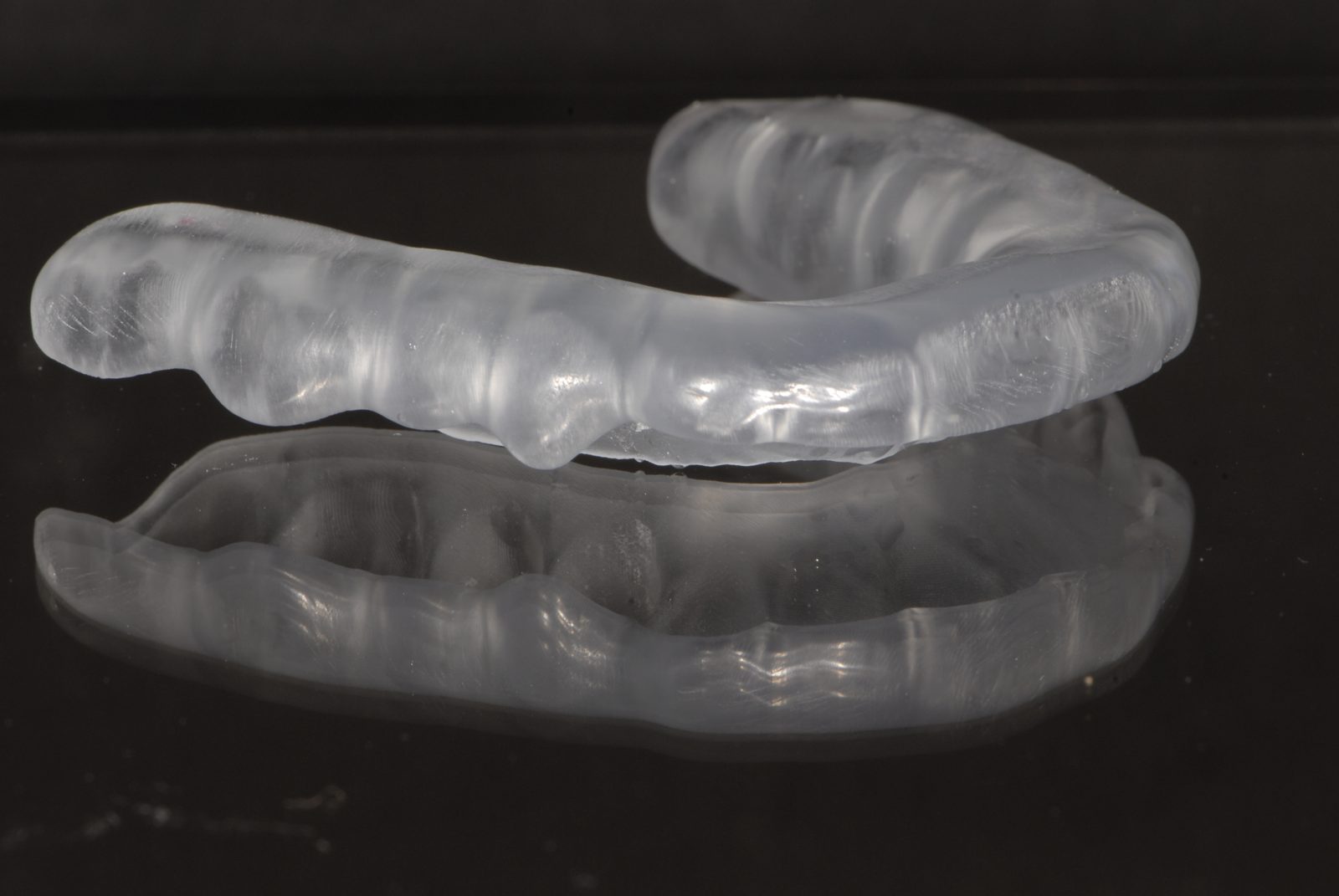
Precision Digital™ is Wiand’s most versatile premium nightguard option. It combines digital design, durable thermoplastic fabrication, warmth-responsive flexibility, and full laboratory equilibration.
The appliance becomes slightly more flexible when warmed, which can improve insertion and removal for patients with undercuts or a challenging path of insertion.
Consider Precision Digital™ when:
- The patient has mild to severe bruxism or clenching
- A versatile premium appliance is desired
- The patient has undercuts or a difficult path of insertion
- Comfortable insertion and removal are priorities
- Natural teeth, implants, veneers, crowns, bridges, or other restorations require protection
- The practice prefers a digital workflow
- Digital reproducibility may be beneficial when records are retained
Key benefits
- Digitally designed and 3D printed
- Warms for easier insertion and removal
- May be reproducible from retained digital records
- Customized to the prescribed occlusal scheme
- Durable thermoplastic fabrication
- Strong balance of comfort, stability, and protection
- Mounted and fully equilibrated before delivery
Clinical Pearl
When a patient needs durable protection but a fully rigid path of insertion may be challenging, a thermoplastic printed nightguard can provide an effective balance of strength, adaptability, and occlusal precision.
Precision Strength™
Hard Milled Precision-Equilibrated Nightguard
Precision Strength™ is a rigid hard milled nightguard designed for patients with heavy functional demands or complex restorative needs. Digital design and milling create a smooth, stable appliance with consistent thickness and strong resistance to wear.
Consider Precision Strength™ when:
- The patient has moderate to severe bruxism
- Heavy clenching or significant parafunctional activity is present
- Maximum rigidity and durability are required
- Implant-supported restorations require protection
- The patient has extensive crown and bridge treatment
- A full-mouth rehabilitation requires a stable protective appliance
- Precise occlusal control is a primary objective
Key benefits
- Rigid, durable fabrication
- Precise digital design and milling
- Excellent dimensional stability
- Smooth, highly finished surface
- Strong resistance to wear
- Detailed control of contacts and guidance
- Mounted and fully equilibrated before delivery
Clinical Pearl
For heavy bruxers and complex restorative cases, rigidity can provide the stable platform needed to develop precise occlusal contacts and protect the restorative investment.
Precision Comfort™
Dual-Laminate Precision-Equilibrated Nightguard
Precision Comfort™ combines a firm protective exterior with a more resilient internal layer. It is designed for patients who benefit from a softer tooth-contacting surface while the doctor still wants a laboratory-developed occlusal scheme.
Consider Precision Comfort™ when:
- The patient has mild to moderate bruxism or clenching
- Comfort and patient acceptance are high priorities
- The patient may not tolerate a fully rigid appliance
- Veneers or cosmetic restorations require protection
- A softer internal surface is preferred
- The doctor wants reduced chairside adjustment with a dual-laminate appliance
Key benefits
- Comfortable dual-laminate fabrication
- Firm protective exterior
- Resilient internal surface
- Custom-fitted retention
- Strong patient acceptance
- Full-contact occlusion developed in the laboratory
- Mounted and fully equilibrated before delivery
Clinical Pearl
A comfort-focused appliance does not have to mean sacrificing occlusal refinement. Precision Comfort™ pairs dual-laminate fabrication with laboratory-developed contacts and guidance.
THE PRECISION SERIES™ DIFFERENCE
Every Precision Series™ appliance is mounted and fully equilibrated on a semi-adjustable articulator before delivery.
Full-contact occlusion
Intentional anterior guidance
Even force distribution
Posterior disclusion when prescribed
LESS CHAIRSIDE ADJUSTMENT
Designed for more predictable delivery and patient comfort.
Compare Wiand Custom Nightguard Options
RECOMMENDED
| Feature | Essential Comfort™ | Precision Digital™ | Precision Strength™ | Precision Comfort™ |
|---|---|---|---|---|
| Fabrication | Hard/soft pressure-formed | Thermoplastic 3D printed | Hard milled | Dual-laminate |
| Primary role | Routine protection | Versatile premium protection | Maximum rigidity and durability | Premium comfort |
| Bruxism range | Mild to moderate | Mild to severe | Moderate to severe | Mild to moderate |
| Undercuts / insertion | Case dependent | Strong option | Less forgiving | Case dependent |
| Laboratory equilibration | — | ✓ | ✓ | ✓ |
| Semi-adjustable articulator | — | ✓ | ✓ | ✓ |
| Final occlusal refinement | Chairside | Laboratory; verify chairside | Laboratory; verify chairside | Laboratory; verify chairside |
| Reduced adjustment goal | — | ✓ | ✓ | ✓ |
Nightguard Selection Guide
The chairside guide, sent straight to your email.
Why Do Some Nightguards Require More Chairside Adjustment?
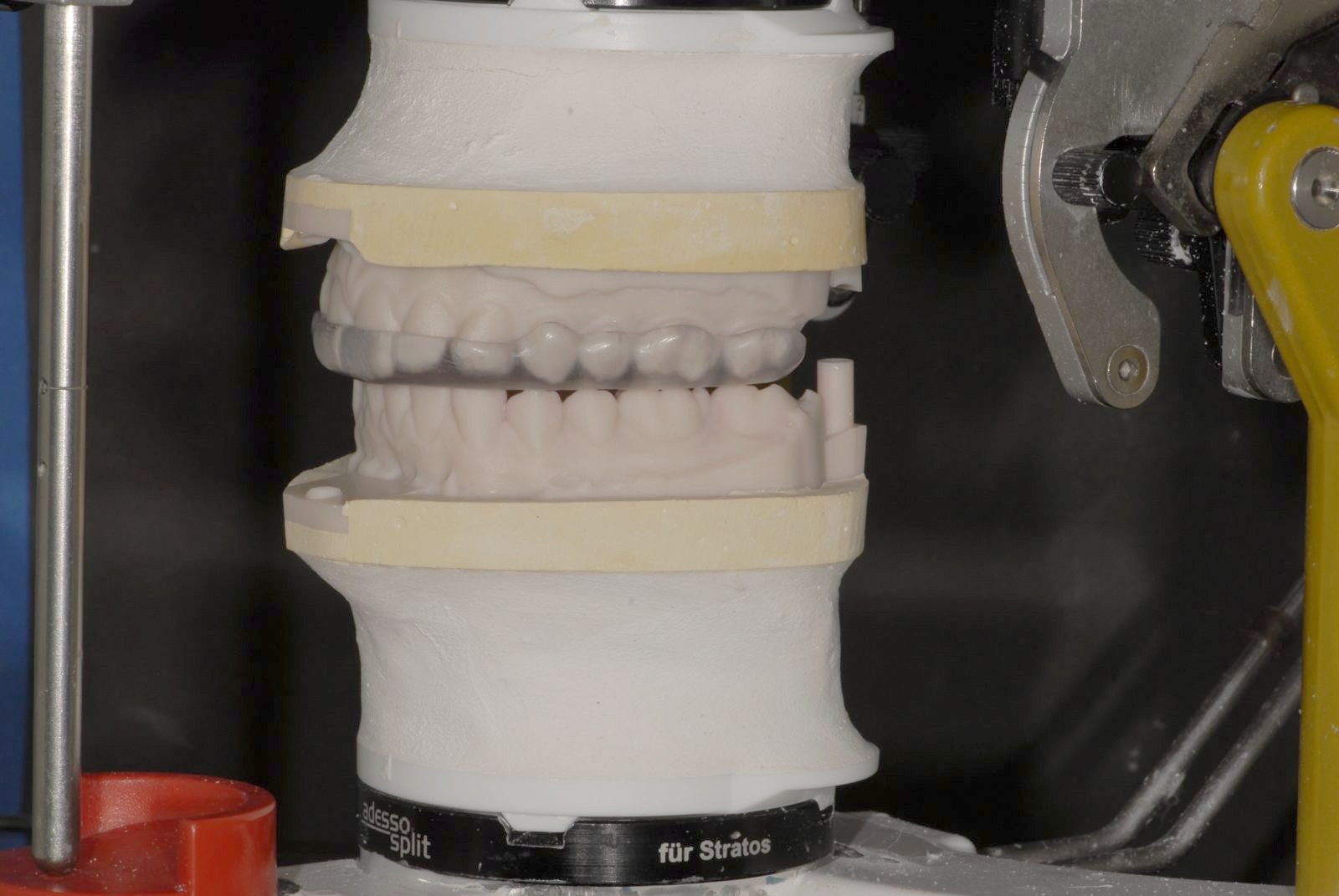
Every Wiand Precision Series™ nightguard undergoes an additional laboratory process. The appliance is mounted on a semi-adjustable articulator, evaluated through excursive movements, and individually equilibrated before it reaches the practice.
Fabricate → Mount → Evaluate → Equilibrate → Polish → Inspect → Deliver
Benefits:
- Minimize premature contacts
- Distribute forces more evenly
- Develop intentional anterior guidance
- Improve delivery efficiency
- Reduce occlusal interferences
- Create stable, repeatable contacts
- Establish posterior disclusion when prescribed
- Reduce unnecessary chairside adjustment
No laboratory process can completely reproduce the patient’s intraoral function, and minor clinical refinement may still be necessary.
Why Use a Semi-Adjustable Articulator for a Nightguard?
A semi-adjustable articulator allows the laboratory to evaluate the relationship between the arches and simulate prescribed mandibular movements outside the mouth. This gives the technician a controlled environment in which to refine contacts, anterior guidance, and excursive movements before delivery.
Partner Insight
The articulator is a tool. Predictability still depends on accurate records, an appropriate bite registration, a clear prescription, and communication about the patient’s restorative and functional needs.
What Occlusal Designs Are Available?
Flat Plane with Point Contact
A flat occlusal surface with precise, evenly distributed point contacts.
Anterior Guidance Ramp with Posterior Disclusion
A carefully developed anterior ramp guides excursive movements and promotes separation of the posterior teeth when prescribed.
Pankey-Style Design
Developed around Pankey principles and the doctor’s prescription.
Kois-Style Design
Designed to support the doctor’s Kois-based diagnostic and restorative philosophy using submitted records and instructions.
LVI-Style Design
Fabricated according to the doctor’s prescribed LVI-based position, functional objectives, and submitted records.
Custom to Doctor Preference
Contact patterns, guidance, ramps, contours, thickness, and functional movements can be customized according to the prescription.
Do not imply affiliation or endorsement by Pankey, Kois, or LVI.
What Records Should I Send for a Custom Nightguard?
- Upper digital scan or impression
- Accurate bite registration
- Selected appliance and fabrication
- Special instructions for contacts or guidance
- Lower digital scan or impression
- Opposing arch
- Preferred occlusal design
- Relevant restorative, implant, or functional notes
For complex restorative or occlusal cases, a facebow transfer or additional functional records may also be appropriate. Contact the laboratory when unsure which records will best support the case.
Clinical Pearl
The quality of the bite registration directly affects the accuracy of the mounted relationship. Accurate records and clear instructions give the technician the best opportunity to develop the appliance as prescribed.
480-446-7063 x102
Why Dentists Choose Wiand for Custom Nightguards
Wiand Dental Laboratory combines pressure-formed, milled, and 3D-printed manufacturing methods with hands-on occlusal finishing and collaborative technical support.
More importantly, Wiand helps dentists think through the clinical decision. The technical team considers the patient’s parafunctional habits, restorative condition, anatomy, path of insertion, preferred occlusal philosophy, and treatment objectives before helping select the appropriate option.
“Our goal is not simply to manufacture an appliance. It is to help you prescribe and deliver a nightguard that supports the patient and the dentistry you are protecting.”
Frequently Asked Questions
What is a custom nightguard?
A custom nightguard is a removable dental appliance made from a patient-specific digital scan or impression. It is designed to protect natural teeth and restorations from forces associated with bruxism, clenching, and other parafunctional activity.
What is the difference between a nightguard and an occlusal splint?
The terms nightguard, occlusal splint, bite splint, bite guard, and occlusal guard are often used interchangeably. In practice, the intended purpose, fabrication, contact pattern, and guidance determine whether an appliance functions primarily as protection or as a specifically designed occlusal splint.
What is the best custom nightguard for bruxism?
The best option depends on the severity of bruxism, the patient’s restorative condition, comfort needs, path of insertion, and desired occlusal design. Precision Digital™ is a versatile thermoplastic printed option, Precision Strength™ provides maximum rigidity, Precision Comfort™ emphasizes dual-laminate comfort, and Essential Comfort™ provides routine hard/soft protection with chairside refinement.
Which nightguard is best for heavy bruxism or clenching?
Heavy bruxers often benefit from a rigid and durable appliance. Precision Strength™, the hard milled Precision Series™ option, is designed for significant parafunctional forces and precise laboratory-developed occlusion. Precision Digital™ may also be considered when thermoplastic adaptability or easier insertion is important.
What is a thermoplastic 3D-printed nightguard?
A thermoplastic 3D-printed nightguard is digitally designed and printed from a durable material that becomes slightly more flexible when warmed. The warmth-responsive material can make insertion and removal easier while maintaining a stable protective appliance.
What is a hard milled nightguard?
A hard milled nightguard is digitally designed and milled from a rigid material. It provides strong dimensional stability, a smooth surface, and resistance to wear, making it a common choice for heavy bruxism, implants, and complex restorative cases.
What is a hard/soft pressure-formed nightguard?
A hard/soft pressure-formed nightguard combines a firm outer surface with a softer internal surface. Essential Comfort™ is designed for routine protection, with final occlusal refinement completed by the doctor chairside.
What is a precision-equilibrated nightguard?
A precision-equilibrated nightguard is mounted and adjusted in the laboratory before delivery. Wiand Precision Series™ appliances are mounted on a semi-adjustable articulator and refined to establish prescribed contacts, anterior guidance, and excursive movements.
Which nightguard is designed to require the least chairside adjustment?
Wiand Precision Series™ appliances are designed to reduce chairside adjustment because the occlusion is refined in the laboratory before delivery. Clinical verification and minor intraoral refinement may still be required.
Complete the short form and the chairside selection guide will be sent to your email.